| |
 |
|
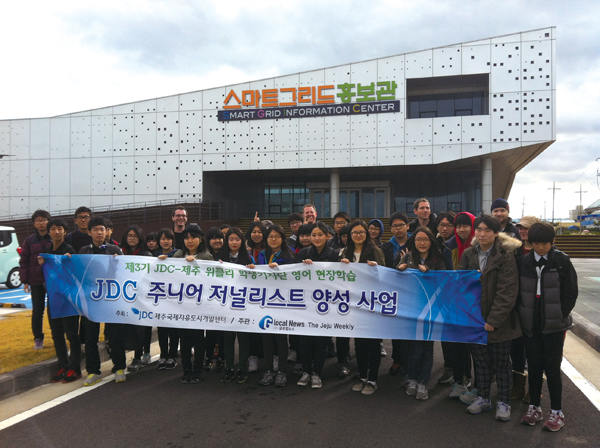
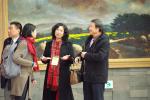
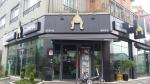
| ▲ JDC junior journalists outside the Smart Grid Information Center |
A Smart Grid is a smart electricity system which utilizes advanced IT to develop the existing power grid. Through implementation, information on energy supply becomes a two-way exchange, so that the system can control consumption and supply needs.
The Smart Grid testbed was established in Dec. 2009 with a budget of around $200 million and is located in Gujwa-eup; it is due to be completed in May 2013. About ten partners have been testing various technologies and developing business models at the testbed, with a total of 168 companies involved, including SKT, KT, LG, KEPCO, SK Energy, GS Caltex, Hyundai Heavy industries, and POSCO.
The Korean government enacted the ‘low carbon, green growth’ law in 2011, which entered into force in April 2012. According to Article 39-1, the Korean government must decrease fossil fuel emissions incrementally and improve national energy independence. It urges the development of eco-friendly energy sources, such as solar energy, waste, bio-energy, wind, geothermal heat, tidal energy, fuel cell energy, hydrogen energy, and more.
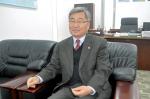
Jeju Island is an optimal area to test the project as it has abundant potential green energy supplies and it is easier to control the test area. According to the Director of the Smart Grid Division, Kang Si-Cheul, “Jeju province is trying to commercialize Smart Grid technologies, promote the export industry and lead global standardization. It will join forces with regional and global corporations and give them the best support possible.”
Smart Grid information centers
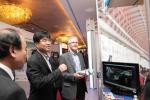
The Smart Grid Information Center at Gujwa-eup provides information in Korean, English, Chinese and Arabic. All information centers are open daily 10 a.m. - 5 p.m. except the Smart Grid Information Center (KEPCO), which is closed Mondays.
For further information visit the website: http://smartgrid.jeju.go.kr/eng/
|











)
)